Our Testing Method for a Slot in Full
Every verdict on Fat Santa comes out of this testing method. We open the official free demo from the studio's own page, read its Game Info screen and paytable end to end, and quote only figures that Push Gaming, the client or a licence register has printed. The client prints 96.45%, the studio's page lists 96.45% and 94.15%, our recorded run covers 96 paid spins, and scores run from 1 to 10. This page walks through the process, including its four limits.
- Where testing happens
- The developer's own free demo, behind its 18+ gate
- Scoring scale
- 1 to 10, across 5 named criteria for a game verdict
- Evidence accepted
- Recorded session, the client's own screens, a public register
- Sessions on record
- 2 on : 96 paid spins at 0.50, and two Bonus Buys at 0.50 in a second demo launch (80.00 spent, 76.56 returned)
- Known limits
- 4, each printed on the page it affects
- Audience
- Adults aged 18 or over
Table of contents
Demo Play Comes First in Our Testing
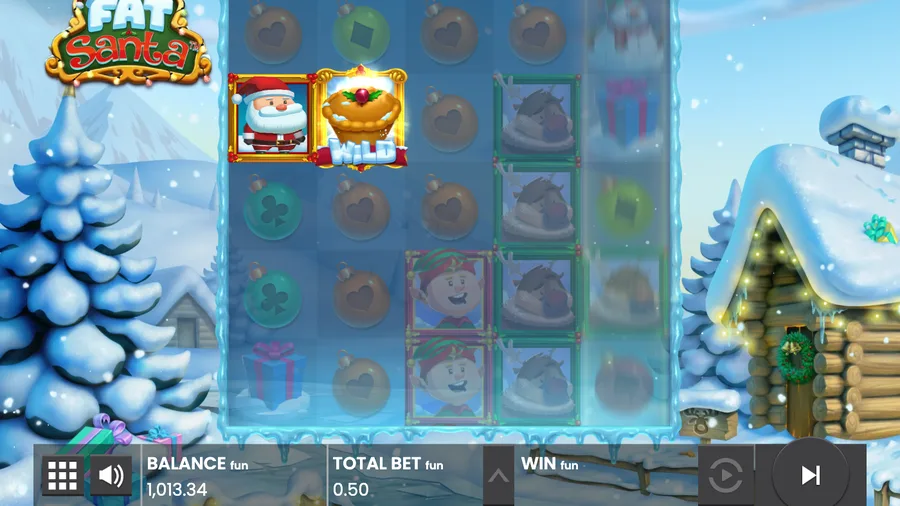
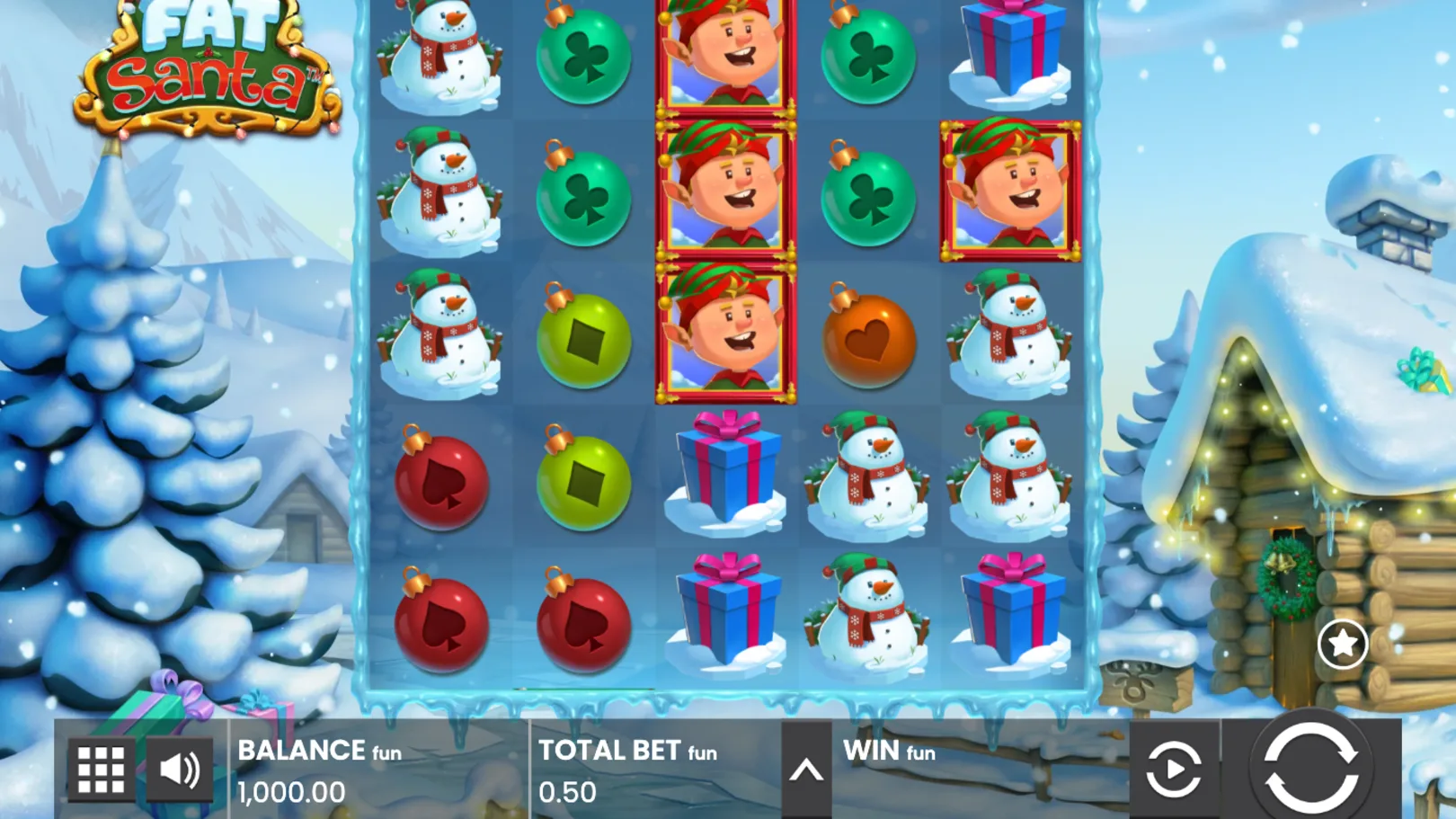
Demo play comes before every other step, so testing starts in the current official client instead of on a marketing page. We open the demo from the studio's page, pass its age gate, note the play-money balance of 1,000.00 it grants, then run a recorded session at a bet held fixed throughout.
Nothing is skipped. Every spin in a session goes into the written record. On this game the record is the server's own answer to each spin, saved as it arrived.
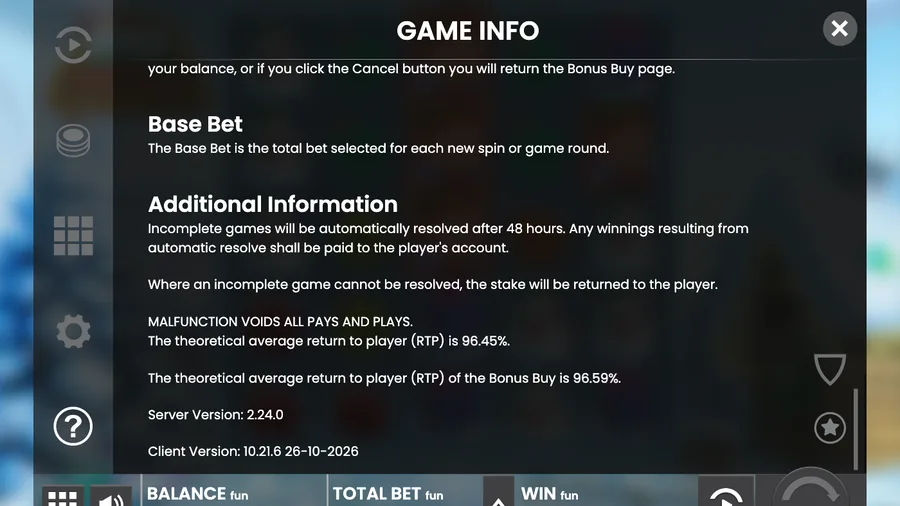
That written record is what later turns into a score. The demo exposes the Game Info screen, the paytable, the Bonus Buy price and the autoplay settings, while the stake stays imaginary; what it cannot show is which build another site's copy runs: in the demo the Game Info screen showed the build, but what a 94.15% copy shows there, we have not seen. Adults aged 18 years or over can open it without an account.
In Short, Before You Trust a Testing Score
Here's what a score on this site is worth: it's the product of two recorded play-money runs plus a pile of documents, and nothing else. We've never deposited at a casino for this site at all, and you'll see that limit repeated wherever it matters.
That limit is deliberate, and it is stated on every page. A demo can't measure the psychology of real money, so the score speaks to mechanics, licensing and sourcing, while the return figure stays the maker's own claim rather than something we measured.
A session record lists the bet, the running balance after each spin and the final result. It is the only evidence that stands behind a sentence beginning with “in our testing”. The Fat Santa free demo page shows how a reader can repeat the same run without an account.
What Should a Reader Check Before Starting?
Four checks are worth making before you weigh a score, and each one is available without an account. Page through the paytable first, then compare the Game Info screen against what the maker publishes on its game page.
- Open the demo and read the Game Info screen to its end, where the return figures sit.
- Read the maker's own page for the game and note that it lists two returns, 96.45% and 94.15%.
- Look for a maximum win on both surfaces, and note that neither publishes one.
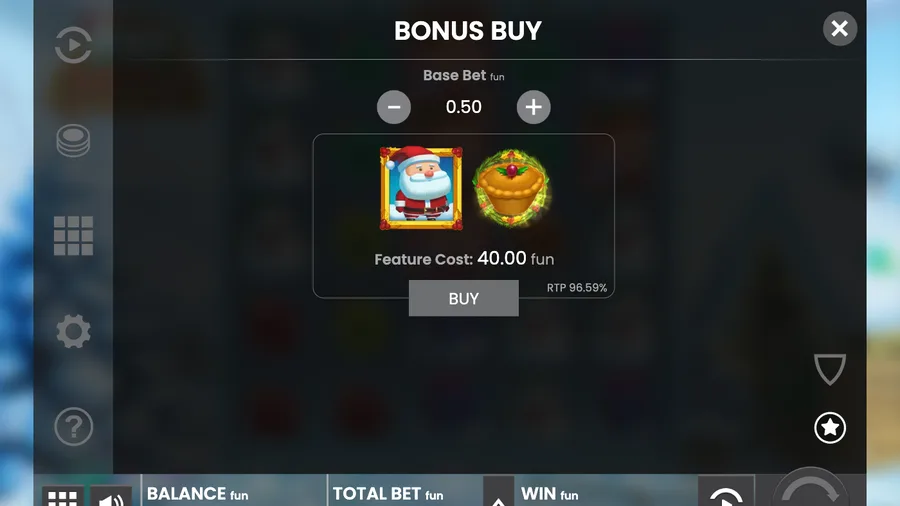
- Open the Bonus Buy screen and compare its 96.59% with the base game's figure.
Each check takes a few minutes and no money at all. Doing the four in advance is the fastest way to test this method instead of trusting it, and every page here carries the date of its own last check.
What Demo Testing Cannot Show
Demo testing has a ceiling, and this is the honest shape of it. A run of 96 paid spins is far too few to say anything about a long-run return, so the published figure does that job instead.
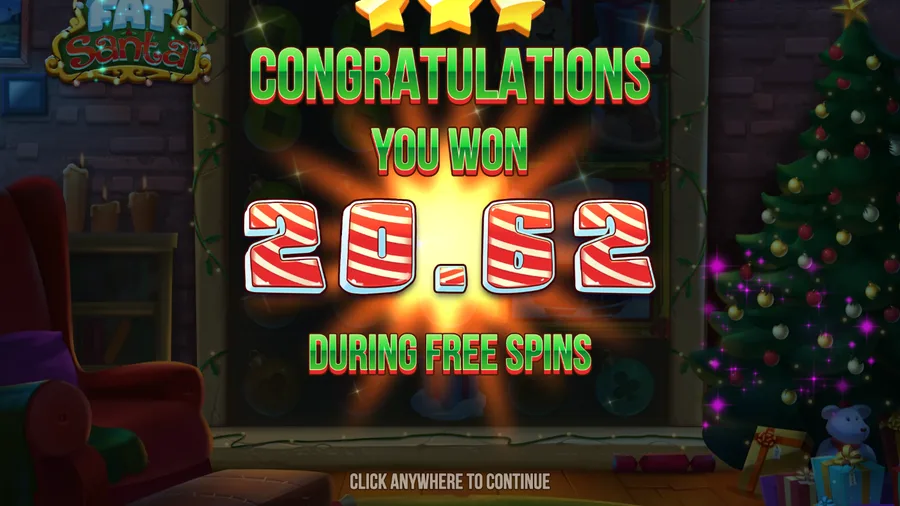
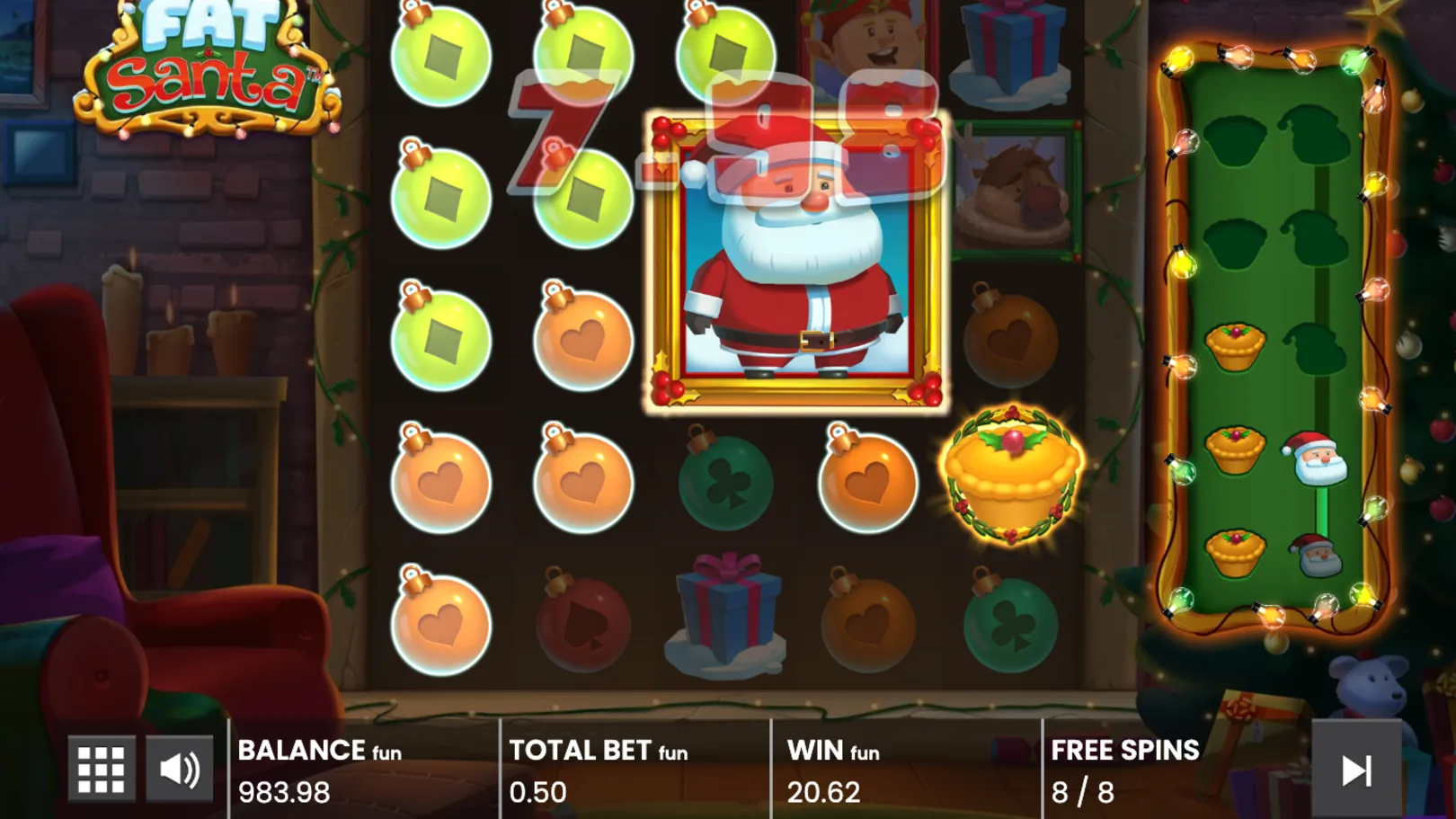
Our run closed 24.54 ahead across 96 paid spins at a 0.50 bet, with 48.00 staked and 72.54 returned, and its best round was a Free Games run worth 20.62, or 41 times the bet. Against a published 96.45% the run should have finished a little behind, and instead it finished in front, which is the clearest argument on this site for not trusting any short run, including ours. Those are observations, not statistics, and the page says so wherever they appear.
One split from that run is worth printing on its own. Without its three Free Games rounds, the base game returned 26.66 on the 48.00 staked, and the Santa's Sleigh Feature fired three times without paying a single line. On this game the feature carries the result, and a short run either catches it or does not.
Why a Single Spin Cannot Be Checked
This is where the method runs out of road, and saying so is more useful than dressing it up. A game of this kind exposes no server seed, no player seed and no published hash, so there is nothing a reader could hash together and compare. The server sends the reel stops and the client draws them; a spin is a result you take on trust or walk away from.
Randomness and a title-level certificate are two different assurances, and this method checked neither directly. We did not search any test laboratory's register for this title, so no page here claims a certificate exists or is absent. Nothing here is offered as provably fair either, and no page claims otherwise: a player takes the randomness on trust rather than recomputing a round.
What a Reader Is Left With
What is left is an assurance a reader has to take on trust, which is weaker than a proof they could run themselves. The gap gets printed as a gap rather than smoothed over.
So the checks we can actually run take its place. The paytable, the Game Info text, the bet grid and the licence registers are all open to anyone, and every one of them is repeatable in an afternoon.
Sourced Numbers Quoted as Printed
The method below is written for no particular country, and that choice decides which documents matter: whether the game may be played for money is a question for the law where each reader lives, while every game figure still starts in the client. Every number is sourced before it is printed, and the date of its check travels with it. Returns, bet limits and licence details come only from the client, the studio's page or a regulator register, and each figure keeps the shape they gave it.
The client prints one return, 96.45%, and the studio's page lists a second build at 94.15% with the note that returns may vary per casino. Those two statements describe different things, so the pages keep them apart rather than blending them into one average.
The same sourcing rule governs the win side. The client prints no maximum win, the platform config shipped with the demo switches that line off, and the studio's page prints only a highest observed win of 3,844x, the same figure its Fat Rabbit page carries. Catalogues fill the gap with 6,400x and 10,233x. Each figure travels with the surface that printed it instead of being promoted to a ceiling. We invent no payment methods, bonuses, licences or multipliers, and the maximum win reference page is the model for this rule.
Honest Cons from the Recorded Session
Every page names its downsides. Cons are mandatory on every page that carries a verdict. A testing round that comes back with only good news was never a test, so the drawbacks are written before the verdict.
Every page carrying a verdict includes a real downsides section and, where it applies, a named alternative the editors would pick instead.
The drawbacks stay specific: no maximum win published anywhere, two return builds on the studio's page, with the running figure promised on a loading screen and a panel that its own demo left blank, a Free Games trigger that needs Santa on the first reel and a wild pie at the same time, and a base game that returned 26.66 on 48.00 in our run. We also name who should avoid the game, and that warning sits before the sponsored button instead of after it.
Scoring: 5 Named Criteria, and What a Score Cannot Mean
A game verdict rests on 5 named criteria and runs from 1 to 10, and they are the same ones the review prints beside its score: Published numbers and rules, Free Games design, Bets and player controls, Supplier licensing and Volatility and hit-rate data. A score of 7 or higher means the tester would open the demo again.
What a score here cannot mean is that a casino is good or bad. A second scale exists for that, 16 criteria across trust, the game and money, computed from a casino dossier rather than from an opinion, and on this site it grades nothing, because no casino dossier was built. A reader therefore gets a graded game and an ungraded market, which is the honest shape of what was actually read.
| Criterion | What is tested | Evidence accepted |
|---|---|---|
| Published numbers and rules | Which return the client prints, which builds the studio lists, what the Bonus Buy returns, and whether a maximum win is printed at all | The Game Info screen, the Bonus Buy screen, the studio's game page, the platform config |
| Free Games design | What triggers the Free Games, how many spins they start with, and what the pie meter adds | Paytable screens, recorded session |
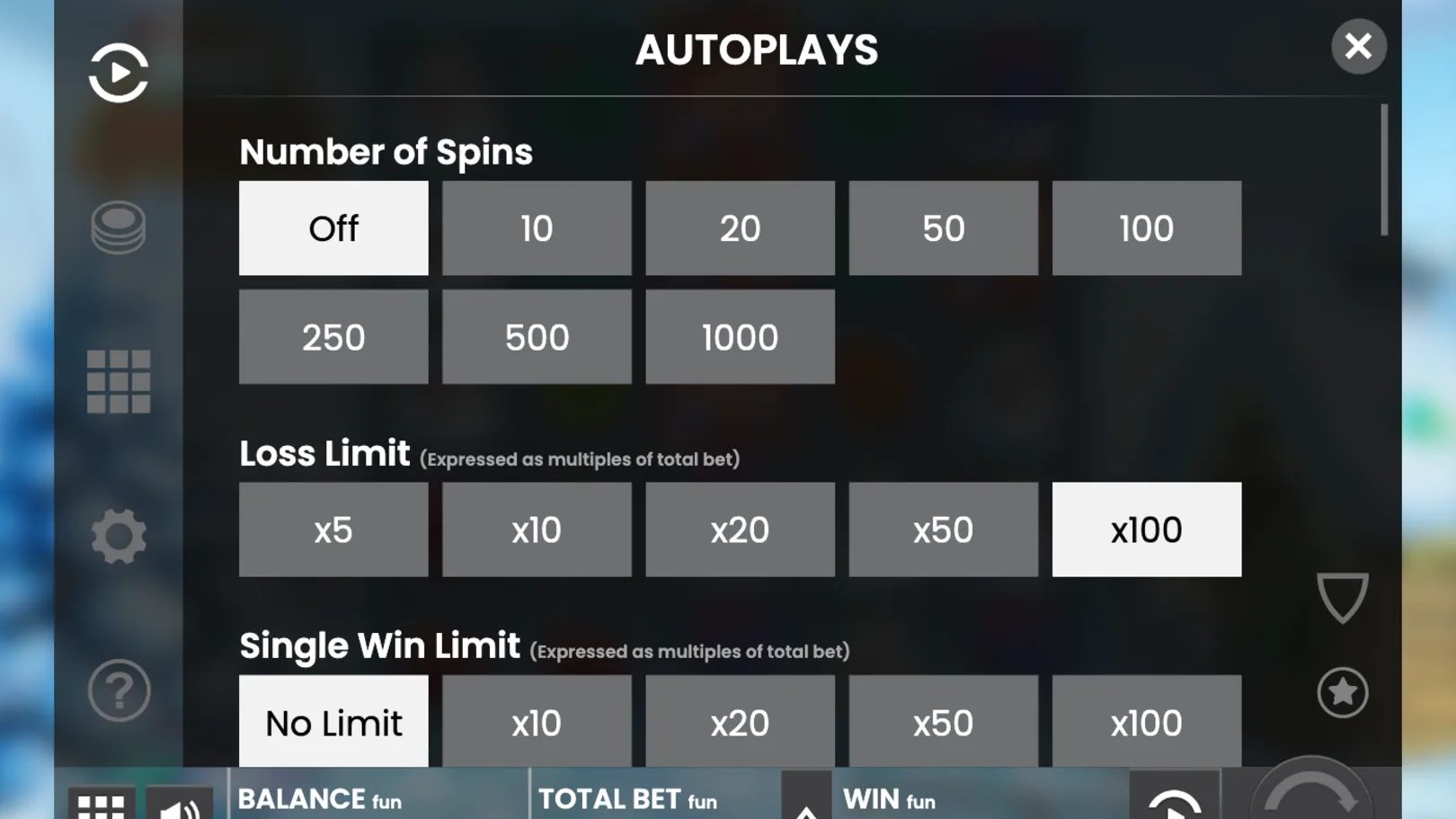
| Bets and player controls | Every bet level walked to its stop, the autoplay loss limit and the spin-speed settings | Total Bet, Autoplay and Settings screens, the client's settings endpoint |
| Supplier licensing | Whether the supplier appears in a register a reader can open, and which licence claims rest only on its own footer | A register entry a reader can open |
| Volatility and hit-rate data | Scored on the review page from the documents it names | The documents the review cites |
What the Client and the Registers Provide
The studio provides the demo client, and its Game Info and paytable screens carry the return figure, the line payouts and the feature rules in plain text. Demo mode supports play money only, so nothing you hold is ever at stake.
The registers supply the licence half of the same picture, and on this game two of them answer. The Gambling Commission register lists Push Gaming Holding Plc under account 54984, with licence 054984-R-332139-013 active since . Sweden lists three Push Gaming companies with Spelprogramvara permits valid from to . The Maltese number MGA/B2B/779/2020 comes only from the studio's footer, because that register could not be read, and the page says so.
Volatility the studio settles in a word: its game page prints Mid - High. What it never explains is the scale, so the word is quoted as the maker's own rating rather than repeated as a fact about the game. The hit frequency it does not publish anywhere at all.
Which Criteria Decide a Score?
Our criteria are fixed before a game is opened, and they stay fixed whatever the result turns out to be. To verify a claim, the editors go back to the document that carries it, then quote the wording they find there rather than their impression of it.
Every figure is quoted from the screen, page or register that printed it, and our own session figures are labelled as ours. Readers can follow the same trail, so they can open a document themselves, and you can disagree with a score while still trusting the numbers under it.
Which Lines the Player Never Sees
Some figures this game publishes, and some it keeps. The table keeps the two apart, because on this title the gap between them is the whole story: the return is printed to everyone, while the maximum win is printed to nobody.
| Line in the client | What the files hold | What the player was shown |
|---|---|---|
| The overall return | 96.45% for the game, 96.59% for the Bonus Buy | Both printed on the Game Info screen, with no word about the 94.15% build the studio also lists |
| The maximum win | A template line in the language file, switched off in the platform config | Nothing: the screen carries no maximum-win line at all |
| The odds of that maximum win | A template line, not filled in this build | Nothing, on any surface we could read |
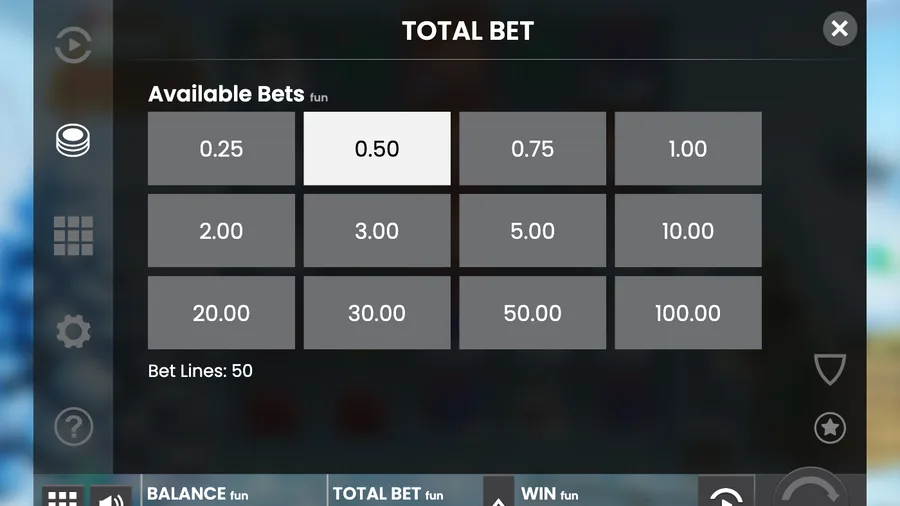
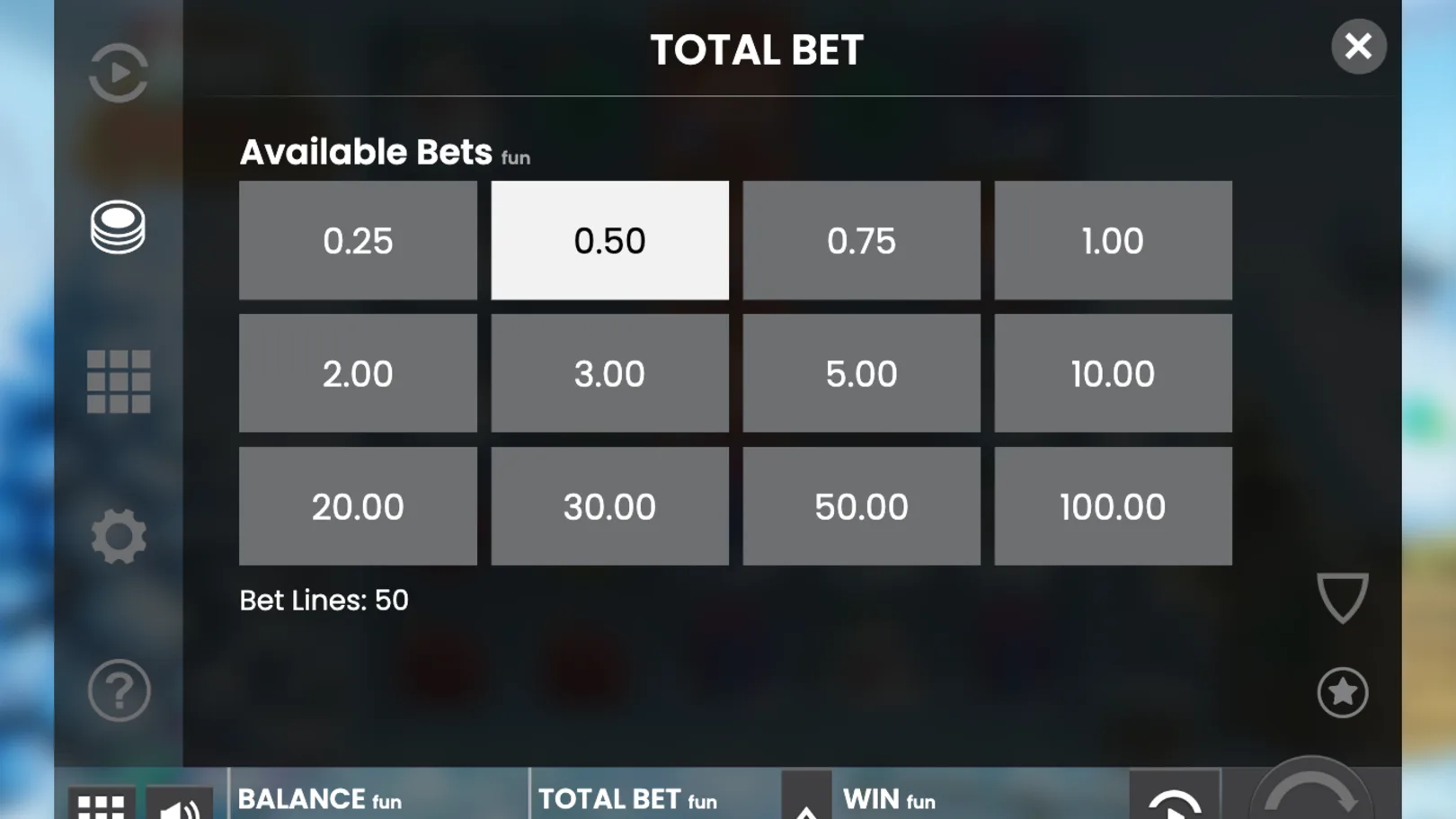
| The minimum and maximum bet | 0.25 and 100.00 | Twelve levels between them, read out of the client itself |
What Else the Client States Outright
Four more fields come off the client screens, copied exactly as they appear, and one of them records that the client offers nothing at all. Nothing in the table is inferred from a third party.
| Field | Value as shown in the client |
|---|---|
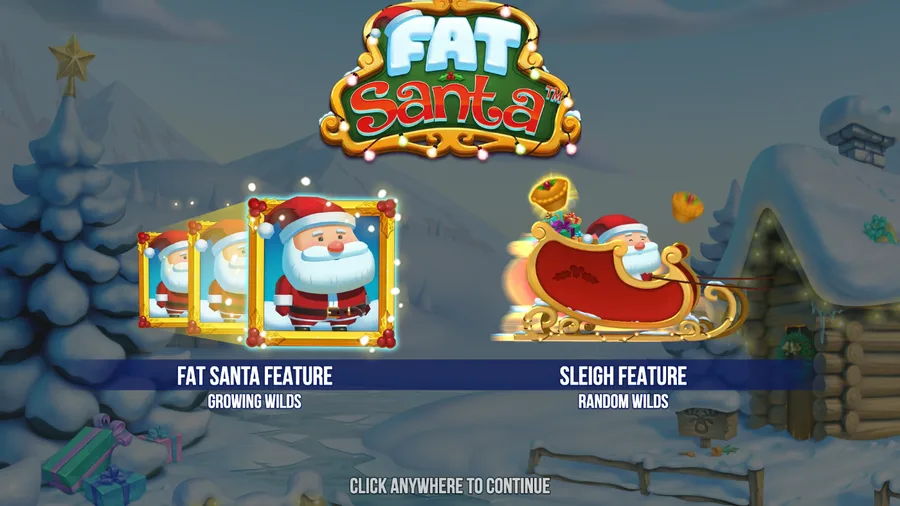
| Free Games | Fat Santa on reel one with at least one Wild Christmas Pie anywhere awards five spins; the pie meter adds three, then two, two and one |
| Bonus Buy | 80x the base bet, 40.00 at the 0.50 default, with a return of 96.59% |
| Wilds | Fat Santa on reel one only; the Christmas Pie and the Wild Christmas Pie substitute for everything except Santa |
| Turbo and spin speed | None: the settings offer only sound, and the platform config sets a minimum spin time of 2,500 milliseconds |
Why No Casino Is Written up Here
No casino is written up on this site, and that is a decision rather than an omission. A casino write-up under this method needs its own dossier: the licence read out of its footer, looked up in a register, then every figure it publishes about this title recorded as found. No such dossier was built for this game. So no page here reports what any particular casino shows, charges or allows.
The checklist below is what such a dossier would have to carry. It is printed here so a reader can see the bar, and so the absence of casino write-ups reads as a standard we did not meet rather than a gap we hid.
How Licence Regulation Is Confirmed
Regulation is confirmed by register instead of by badge, and on this game the answer depends on which register you open. The Gambling Commission register lists Push Gaming Holding Plc, account 54984, with a Gambling Software and Game Host licence active since and a Gaming Machine Technical Software licence active since ; the studio's footer calls the same company Holding Limited. Sweden lists Push Gaming Product Limited, Push Gaming Malta Limited and Push Gaming Limited, each under Spelprogramvara, valid from to . What that means is narrow and worth stating narrowly: the supplier is licensed where those registers reach, which says nothing about any particular casino.
One category error is worth heading off, because it is common and it is wrong. A supplier licence is not a casino licence: the registers above confirm the studio that makes the game, and say nothing about any site that offers it. A site's own licence has to be checked in the register of the regulator that issued it, where the reader lives. The where-to-play page sets out that check step by step.
- Licence number and holder, read in the regulator's register on the test date.
- Presence of this title in the lobby, proved by a catalogue sitemap, a lobby record or an indexed game page.
- The wagering contribution for this game, read in the operator's own bonus terms rather than in a banner.
- Which return build the site runs, where the operator states it in a form a reader can check.
- Payment methods and identity-check rules, taken from the operator help pages.
Every page here says not confirmed wherever a figure resisted verification, and not published wherever nobody prints it at all. That wording is deliberate, because a gap a reader can see beats a number nobody can trace.
Terms This Method Uses
- Recorded session
- A demo run kept spin by spin, here 96 paid spins at 0.50 with the server's answer to each one saved to disk.
- Return build
- One of the return settings a studio ships; the studio's page for this title lists two, 96.45% and 94.15%.
- Platform config
- The settings file shipped with the demo; for this title it switches the maximum-win line off and sets a 2,500 ms minimum spin time.
- Account number
- The number a regulator files a licensed business under, such as 54984 for Push Gaming Holding Plc in the British register.
What the Record Actually Holds
The record is two runs in the developer's own demo, written down as they happened, never a deposit. The closing figure only means something beside the spin count, which is exactly why the page prints both.
| Part of the record | Date | What it holds |
|---|---|---|
| Recorded run | 96 paid spins at 0.50, closing 24.54 ahead, with three Free Games rounds worth 41, 28 and 22 times the bet | |
| Bonus Buys | Two purchases at 0.50 in a second demo launch: 80.00 spent, 76.56 returned, in rounds of 63.06 and 13.50 | |
| Client screens | Game Info, all eight paytable screens, Total Bet, Bonus Buy, Autoplay and Settings, read end to end | |
| Registers | The British and Swedish registers that list the supplier, and the Maltese number from its footer |
4 Types of Testing Limit, Compared
The complete list of testing limits runs to four entries, and each one shapes every score here. Readers who weigh a verdict should read them before the verdict itself.
| Limit | Why it exists | What happens instead |
|---|---|---|
| No real-money play | Testing runs in the free demo, with no deposit at any casino | Nothing here describes a deposit, a withdrawal or an account |
| A short session | 96 paid spins cannot measure a long-run average, and ours finished ahead | The return figure is quoted from the maker, never computed here |
| No spin-level proof | This title exposes no seed or hash a player could re-check | The server's answers are kept, and fairness is not claimed as verified |
| No casino was read | No dossier was built for any operator carrying this game | No figure from any casino is quoted anywhere here |
Does a Demo Spin Prove Anything?
A demo spin proves the mechanics and stops there; a long-run average comes out of the maker's model instead. That is why the return figure is quoted from the maker instead of measured here.
Readers can repeat any of it themselves in a few minutes. They will meet the same Game Info screen, the same paytable and the same Free Games trigger our session recorded.
Recap: The 4 Limits of This Testing Method
Four limits shape this testing method, and the page names each out loud. Testing happens in the demo instead of with real money, so nothing here describes a deposit or a withdrawal. Ninety-six paid spins say nothing reliable about a long run, which is why the return figure stays the maker's claim rather than our measurement. A spin cannot be recomputed by anyone, so fairness is reported rather than proved. And no casino was read at all for this game, so nothing here describes what one shows, charges or allows.
Everything else on this page recaps in a sentence or two. Demo play comes first, the fairness gap is named rather than papered over, sourced numbers are quoted as printed, cons sit beside the verdict, a game verdict rests on 5 named criteria while the operator instrument weighs 16 and runs on nothing here, and a supplier is looked up in a register rather than taken off a footer. All testing is done by the tester who signs each page, and every page here is written for adults aged 18 or over.
This site takes no deposits and runs no identity checks; both stay off it entirely.
Related Reading on This Game
More on this game, from the same section first: